
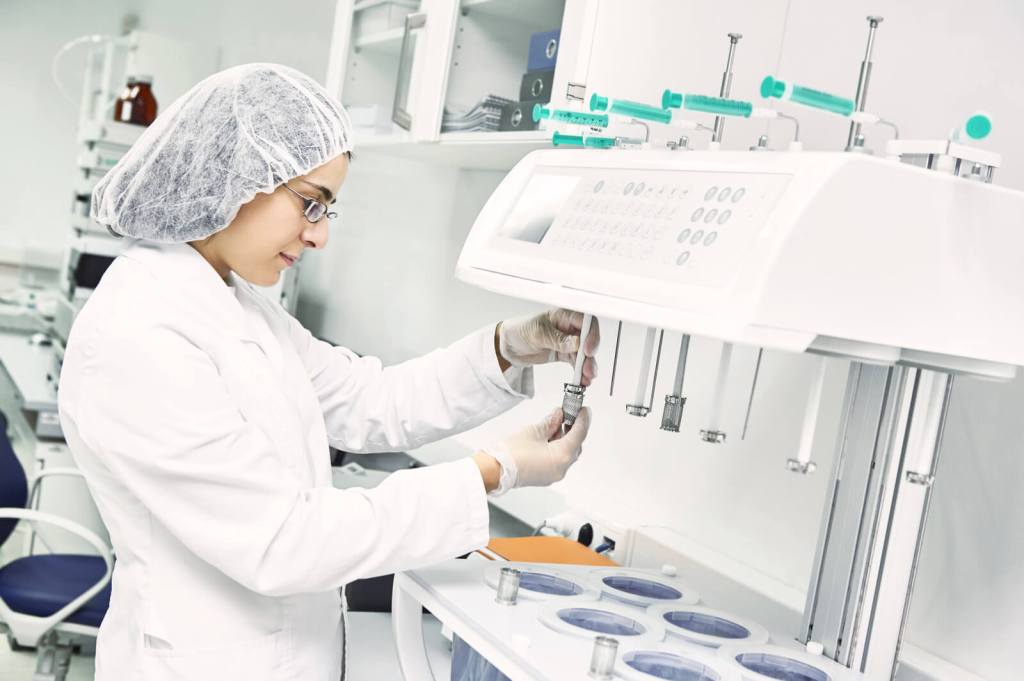
Maintaining cleanliness and hygiene has become a top priority in our daily lives. From personal belongings to household items and medical equipment, ensuring proper sterilization is essential to safeguarding our health and well-being. Sterilizer machines have emerged as powerful tools in achieving effective sterilization, offering numerous benefits across various industries. In this blog post, we will explore the world of sterilizer machines, uncovering their advantages, applications, and how they contribute to a safer and healthier environment.
1. Eliminating Harmful Microorganisms:
Sterilizer machines utilize advanced technologies, such as heat, steam, ultraviolet (UV) light, or chemical agents, to eliminate harmful microorganisms, including bacteria, viruses, fungi, and spores. These machines offer a highly effective method of sterilization, ensuring that items and surfaces are free from pathogens that can cause infections or diseases.
2. Wide Range of Applications:
Sterilizer machines have diverse applications across different industries. In healthcare settings, they are used to sterilize medical instruments, surgical equipment, and patient care items. In laboratories, they ensure the safety and sterility of research materials. Sterilizer machines are also employed in the food industry to sanitize utensils, containers, and food preparation surfaces. Moreover, they find use in beauty salons, daycares, tattoo parlors, and many other environments where cleanliness is paramount.
3. Time and Cost Efficiency:
Compared to traditional sterilization methods, sterilizer machines offer significant time and cost savings. These machines are designed for efficient and rapid sterilization, reducing the time required to achieve complete disinfection. Additionally, they minimize the need for manual labor and costly consumables associated with other sterilization techniques, making them a cost-effective solution for businesses and organizations.
4. Safety and Convenience:
Sterilizer machines prioritize user safety and convenience. They are equipped with various safety features, such as automatic shut-off mechanisms, temperature controls, and alarms, ensuring that the sterilization process is conducted with minimal risk. Many machines also feature user-friendly interfaces, programmable settings, and automated cycles, simplifying operation and minimizing human error.
5. Environmental Sustainability:
Sterilizer machines promote environmental sustainability by reducing the reliance on disposable items. With effective sterilization, reusable materials can be safely cleaned and sterilized for repeated use, minimizing waste generation. This contributes to an eco-friendlier approach and reduces the overall carbon footprint.
6. Compliance with Regulations and Standards:
In many industries, strict regulations and standards govern the sterilization process. Sterilizer machines are designed to meet and exceed these requirements, ensuring compliance with regulatory guidelines and maintaining high standards of cleanliness. This is particularly crucial in healthcare settings and industries where contamination risks must be mitigated.
Sterilizer machines have become indispensable tools in maintaining cleanliness, hygiene, and safety across various industries. By effectively eliminating harmful microorganisms, they contribute to a healthier environment and reduce the risk of infections and diseases. With their wide range of applications, time and cost efficiency, safety features, and environmental sustainability, sterilizer machines are paving the way for improved sterilization practices. As businesses, healthcare facilities, and organizations embrace the benefits of sterilizer machines, they can prioritize the well-being of individuals, protect against contamination risks, and ensure a cleaner and safer future for all.
 Zone Med
Leave a comment