
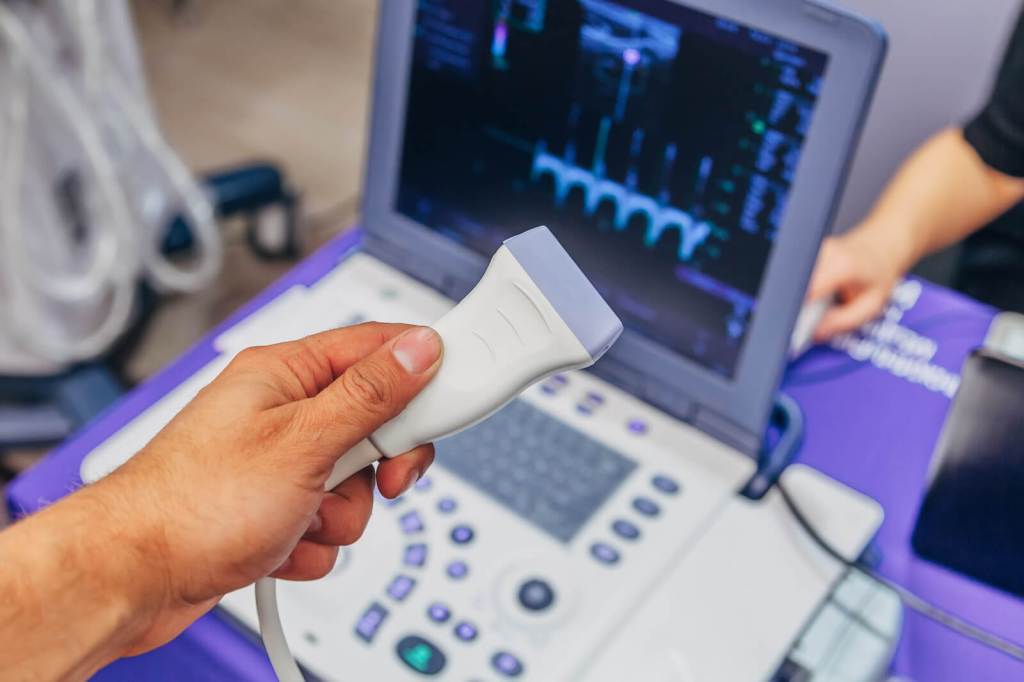
In the field of healthcare, technological advancements continue to revolutionize patient care and improve clinical outcomes. One such innovation that has transformed the way bladder conditions are diagnosed and managed is the bladder scanner. In this blog post, we will explore the benefits and applications of this remarkable device in healthcare settings, highlighting its role in enhancing patient care and operational efficiency.
1. Non-Invasive and Painless Urinary Assessment:
The bladder scanner offers a non-invasive and painless method of assessing urinary retention and bladder volume. By utilizing ultrasound technology, the scanner provides accurate and real-time measurements of the bladder’s volume without the need for catheterization or other invasive procedures. This non-invasive approach not only minimizes patient discomfort but also reduces the risk of complications and potential infections.
2. Rapid and Accurate Diagnosis:
Traditional methods of assessing bladder volume, such as manual palpation or catheterization, are often time-consuming and subjective. Bladder scanners, on the other hand, provide rapid and precise measurements, allowing healthcare professionals to promptly diagnose and address urinary retention or other bladder-related conditions. These accurate readings help guide treatment decisions, optimize patient management, and improve overall clinical outcomes.
3. Improved Patient Comfort and Dignity:
Urinary retention can be distressing and uncomfortable for patients. The non-invasive nature of bladder scanners ensures that patients’ comfort and dignity are prioritized during the assessment process. By eliminating the need for invasive procedures or repeated trips to the restroom, the scanner minimizes the disruption to patients’ daily routines and allows for a more seamless and comfortable healthcare experience.
4. Efficient Resource Utilization:
Bladder scanners contribute to operational efficiency in healthcare facilities by optimizing resource utilization. With the ability to quickly and accurately assess bladder volume, healthcare professionals can make informed decisions regarding patient care, such as determining the need for catheterization or prescribing appropriate medication. This streamlines workflow, reduces unnecessary procedures, and improves staff productivity, ultimately leading to cost savings and enhanced patient throughput.
5. Monitoring and Long-Term Management:
Bladder scanners are not only valuable in acute care settings but also in long-term management of chronic bladder conditions. Patients with urinary incontinence, urinary retention, or bladder dysfunction can benefit from regular bladder volume assessments to monitor their condition and evaluate the effectiveness of treatment interventions. The scanner allows for ongoing evaluation without the need for repeated invasive procedures, empowering patients and healthcare providers to make informed decisions regarding their care.
The bladder scanner has revolutionized the field of urology and healthcare in general, offering a non-invasive, rapid, and accurate method of assessing bladder volume. By prioritizing patient comfort, improving diagnostic accuracy, enhancing operational efficiency, and enabling long-term monitoring, this remarkable device has transformed the way bladder conditions are diagnosed and managed.
As healthcare technology continues to advance, it is essential for healthcare professionals and institutions to embrace innovations like the bladder scanner. By incorporating these state-of-the-art tools into clinical practice, we can enhance patient care, improve outcomes, and ensure a seamless and comfortable experience for patients dealing with bladder-related conditions.
The bladder scanner represents a significant step forward in urological care, empowering healthcare providers to deliver accurate diagnoses, personalized treatments, and compassionate care to patients with bladder-related concerns.
 Zone Med
Leave a comment