
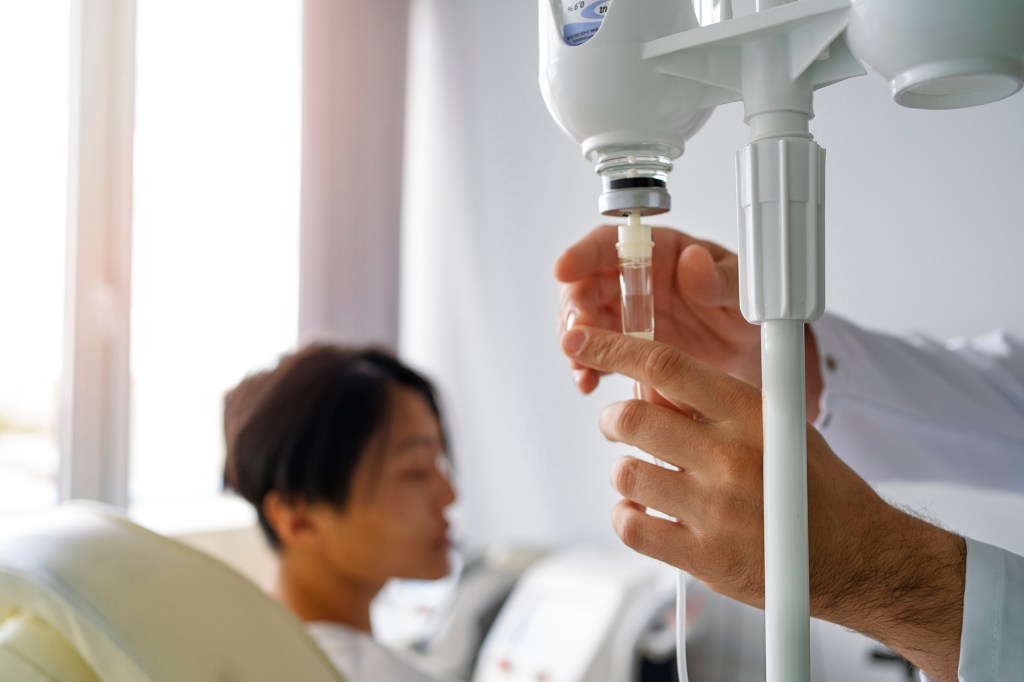
In the ever-advancing landscape of healthcare, infusion pumps stand as a testament to human ingenuity and innovation. These remarkable devices have transformed the way we deliver essential medications, nutrients, and fluids to patients, offering precision, safety, and control. In this article, we delve into the world of infusion pumps, exploring their history, types, applications, and the critical role they play in modern medicine.
Understanding Infusion Pumps
An infusion pump is a medical device designed to deliver fluids, including medications, blood, and nutrients, into a patient’s circulatory system in a controlled and precise manner. These devices are essential in a wide range of medical settings, from hospitals and clinics to home healthcare, enabling healthcare providers to administer treatments with a high degree of accuracy.
History of Infusion Pumps
The origins of infusion pumps can be traced back to the 1960s when the need for precise drug administration became evident. Early versions were relatively simple and operated mechanically. The introduction of electronic components in the 1980s marked a significant turning point, allowing for improved accuracy and programmability. Over the years, infusion pumps have evolved to become more compact, user-friendly, and equipped with advanced safety features.
Types of Infusion Pumps
Infusion pumps come in several types, each designed to meet specific medical needs:
- Volumetric Infusion Pumps: These devices deliver a set volume of fluid over a specified period, ensuring precise and consistent medication administration.
- Syringe Pumps: Syringe pumps are designed for the controlled and gradual injection of medication from a syringe. They are often used in critical care and anesthesia.
- Ambulatory Infusion Pumps: Portable infusion pumps enable patients to receive treatments at home or on the go. They are commonly used for chemotherapy, pain management, and nutrition.
- PCA Pumps (Patient-Controlled Analgesia): These pumps empower patients to self-administer pain medication by pressing a button. This approach provides better pain control while minimizing the risk of overmedication.
Applications of Infusion Pumps
Infusion pumps have a wide range of applications in healthcare:
- Anesthesia: In the operating room, anesthesia pumps are used to deliver precise amounts of anesthetic agents, ensuring patients remain comfortably sedated throughout surgical procedures.
- Intensive Care: Critical care units rely on infusion pumps to administer medications, nutrition, and fluids to patients in a controlled manner, especially for those with severe medical conditions.
- Chemotherapy: Infusion pumps play a crucial role in delivering chemotherapy drugs to cancer patients. They provide accurate dosing, reducing the risk of under- or overmedication.
- Home Healthcare: Many patients with chronic conditions, such as diabetes, require regular infusion therapy at home. Portable infusion pumps make this possible, improving patients’ quality of life.
The Advantages of Infusion Pumps
Infusion pumps offer several advantages, including:
- Precision: Infusion pumps provide accurate and consistent medication dosages, reducing the risk of human error in manual administration.
- Customization: Healthcare providers can program infusion pumps to meet each patient’s unique needs, ensuring individualized care.
- Reduced Waste: Infusion pumps minimize medication waste, as they can deliver the precise amount required.
- Improved Patient Comfort: In cases where patients can control their medication delivery, such as with PCA pumps, they often experience better pain management and increased comfort.
- Safety: Modern infusion pumps come equipped with various safety features, such as alarms and drug libraries, which help prevent medication errors and adverse events.
 Zone Med
Leave a comment