
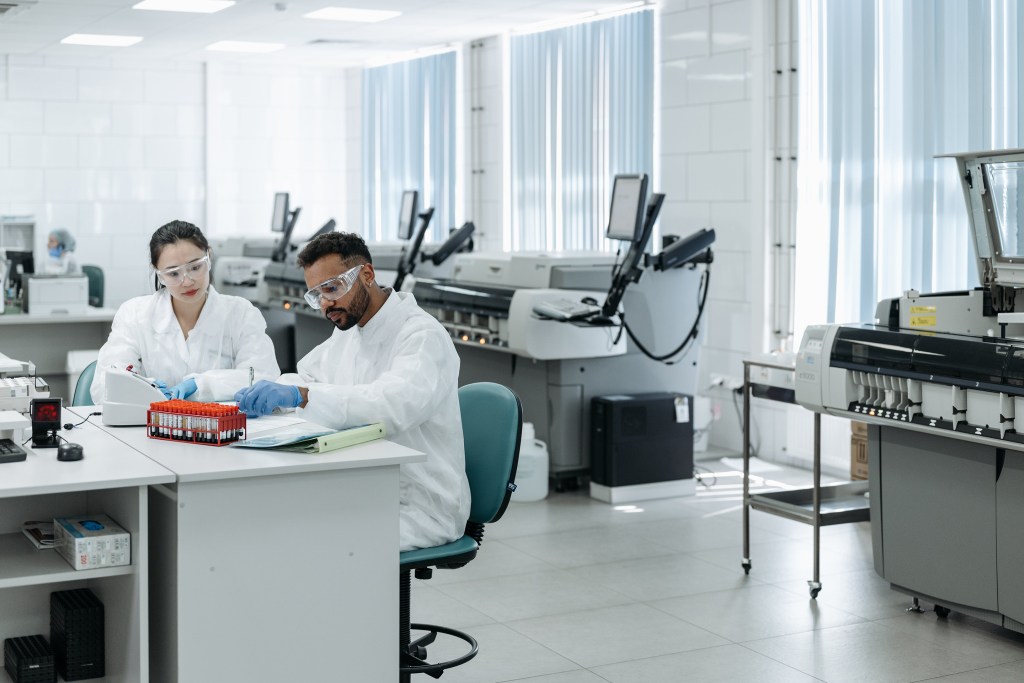
In the dynamic world of healthcare, technological advancements play a pivotal role in enhancing patient care, diagnosis, and treatment. One of the key driving forces behind this progress is the continuous development of state-of-the-art medical equipment. From diagnostic tools to life-saving devices, these innovations are shaping the future of medicine. In this article, we will explore the transformative impact of cutting-edge medical equipment on healthcare systems and patient outcomes.
I. Diagnostic Precision:
One of the primary contributions of modern medical equipment is its ability to provide accurate and timely diagnoses. Advanced imaging technologies, such as magnetic resonance imaging (MRI), computed tomography (CT) scans, and ultrasound machines, have revolutionized the way healthcare professionals visualize and assess internal structures. These tools enable early detection of diseases, leading to more effective interventions and improved patient outcomes.
II. Remote Monitoring and Telemedicine:
The integration of medical equipment with digital technologies has paved the way for remote patient monitoring and telemedicine. Wearable devices, smart sensors, and monitoring systems allow healthcare providers to track patients’ vital signs and health metrics from a distance. This not only facilitates proactive intervention but also empowers patients to actively participate in their own care. Telemedicine platforms, supported by advanced medical equipment, enable virtual consultations, expanding access to healthcare services and reducing the burden on traditional healthcare infrastructure.
III. Precision Medicine and Personalized Treatment:
Medical equipment is playing a crucial role in the era of precision medicine, where treatments are tailored to individual patients based on their unique genetic makeup, lifestyle, and environmental factors. Genetic testing devices and molecular diagnostics tools are at the forefront of this personalized approach, allowing healthcare professionals to identify specific genetic markers and choose the most effective treatments. This shift towards precision medicine holds the promise of more targeted therapies with fewer side effects.
IV. Surgical Innovation:
In the operating room, advancements in medical equipment have transformed surgical procedures, making them more precise, minimally invasive, and safer for patients. Robotic-assisted surgery, for example, enhances the surgeon’s precision and control, leading to smaller incisions, reduced recovery times, and improved overall outcomes. High-tech surgical instruments and navigation systems further contribute to the evolution of surgical techniques, ensuring better patient care and enhanced surgeon capabilities.
V. Patient Safety and Infection Control:
Medical equipment also plays a critical role in ensuring patient safety and infection control. Innovations in sterilization technologies, disposable medical devices, and automated systems contribute to reducing the risk of healthcare-associated infections. Enhanced safety features in medical equipment, such as alarms and fail-safes, help prevent adverse events and improve overall patient care quality.
 Zone Med
Leave a comment