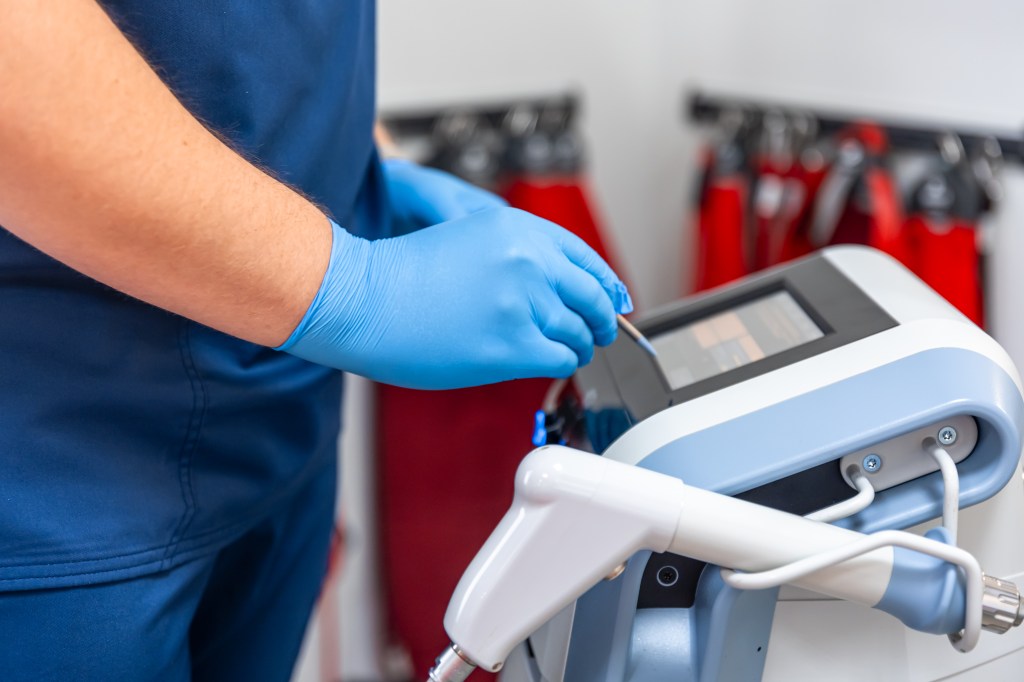
In the ever-evolving landscape of medical technology, innovations continuously reshape the way we approach healthcare. Among these breakthroughs, shockwave therapy stands out as a powerful tool in the realm of rehabilitation. Designed to accelerate healing and alleviate chronic pain, shockwave therapy devices have gained significant attention in recent years. In this article, we delve into the workings of shockwave therapy and explore how this cutting-edge technology is transforming the treatment landscape.
Understanding Shockwave Therapy
Shockwave therapy, also known as Extracorporeal Shock Wave Therapy (ESWT), utilizes high-energy acoustic waves to stimulate biological processes within the body. Originally developed to disintegrate kidney stones, shockwave therapy found its niche in musculoskeletal medicine for its remarkable healing properties.
The therapy works by delivering acoustic waves directly to the affected area, triggering a cascade of physiological responses. These waves induce microtrauma at the cellular level, prompting the body to initiate its natural healing mechanisms. This process enhances blood circulation, stimulates the release of growth factors, and promotes tissue regeneration.
Applications in Rehabilitation
Shockwave therapy has demonstrated efficacy in treating a wide range of musculoskeletal conditions, making it a versatile tool in rehabilitation. Here are some of its key applications:
Chronic Pain Management: From plantar fasciitis to tennis elbow, shockwave therapy offers a non-invasive alternative for chronic pain management. By targeting the source of pain and promoting tissue repair, it provides long-lasting relief for patients suffering from persistent discomfort.
Sports Injuries: Athletes frequently encounter injuries that impair their performance and prolong recovery times. Shockwave therapy accelerates the healing process, allowing athletes to resume training and competition sooner than traditional methods.
Orthopedic Conditions: Patients with orthopedic conditions such as tendinopathies, bursitis, and osteoarthritis can benefit from shockwave therapy’s regenerative effects. It offers a conservative treatment option, reducing the need for invasive procedures like surgery.
Wound Healing: Shockwave therapy has shown promise in enhancing wound healing by promoting angiogenesis (formation of new blood vessels) and facilitating tissue regeneration. This makes it particularly valuable in the management of diabetic ulcers and other chronic wounds.
The Advantages of Shockwave Therapy Devices
Shockwave therapy devices have evolved significantly since their inception, offering several advantages over conventional treatments:
Non-Invasive: Unlike surgical procedures, shockwave therapy is non-invasive and does not require anesthesia or prolonged recovery periods. Patients can undergo treatment without the risks associated with surgery.
Minimal Side Effects: The side effects of shockwave therapy are typically mild and transient, including temporary discomfort or bruising at the treatment site. Compared to medications or injections, it poses fewer risks of systemic complications.
Targeted Treatment: Shockwave therapy allows precise targeting of the affected area, ensuring maximum therapeutic effect while minimizing damage to surrounding tissues.
Cost-Effective: In the long run, shockwave therapy can be a cost-effective solution for chronic conditions, reducing the need for ongoing medication or frequent medical visits.
Outpatient Procedure: Most shockwave therapy sessions can be performed on an outpatient basis, allowing patients to resume their daily activities immediately afterward.
Future Directions: As research into shockwave therapy continues to expand, its potential applications are poised to grow. Emerging technologies aim to enhance the precision and effectiveness of shockwave therapy, further improving patient outcomes and expanding its reach into new medical domains.
 Zone Med
Leave a comment